
Which EU border checks apply to fish sauce?
Plain fermented fish sauce sent from Great Britain to the EU needs fishery-product checks. A shelf-stable composite sauce containing fish or oyster extract can qualify for a different route. Get the recipe and production details before booking delivery.
- Who this affects
- Food retailers and wholesalers sending bottled sauces from Great Britain to customers in the EU.
- Seller action
- Check before sending affected goods
Give the importer the recipe, production process and establishment details. For plain fermented fish sauce, arrange certification and an approved border control post before dispatch.
- Effective dates / current position
- Qualifying composite sauces with fish or oyster extracts added to the border-post exemption: — In forceUpdated fishery-product code lists apply: — In forceTiming follows the confirmed published schedule; it is not a fresh legal review. The July change covers specified shelf-stable composite sauces meeting all exemption conditions. The September amendment added heading 2103 to the fishery-product provisions. Date-only changes use the calendar day in Europe/Brussels.
- Last reviewed
- 28 Nov 2026 — an editorial source check, separate from automatic timing.
- Official source
- Open the primary source ↗
What is in the bottle?
Ask the producer for the recipe and how the sauce was made. Plain sauce made by fermenting fish with salt, with or without water, is a fishery product. For a commercial order sent from Great Britain to the EU, the exporter needs to arrange a health certificate and the EU importer needs to arrange entry through an approved border control post.
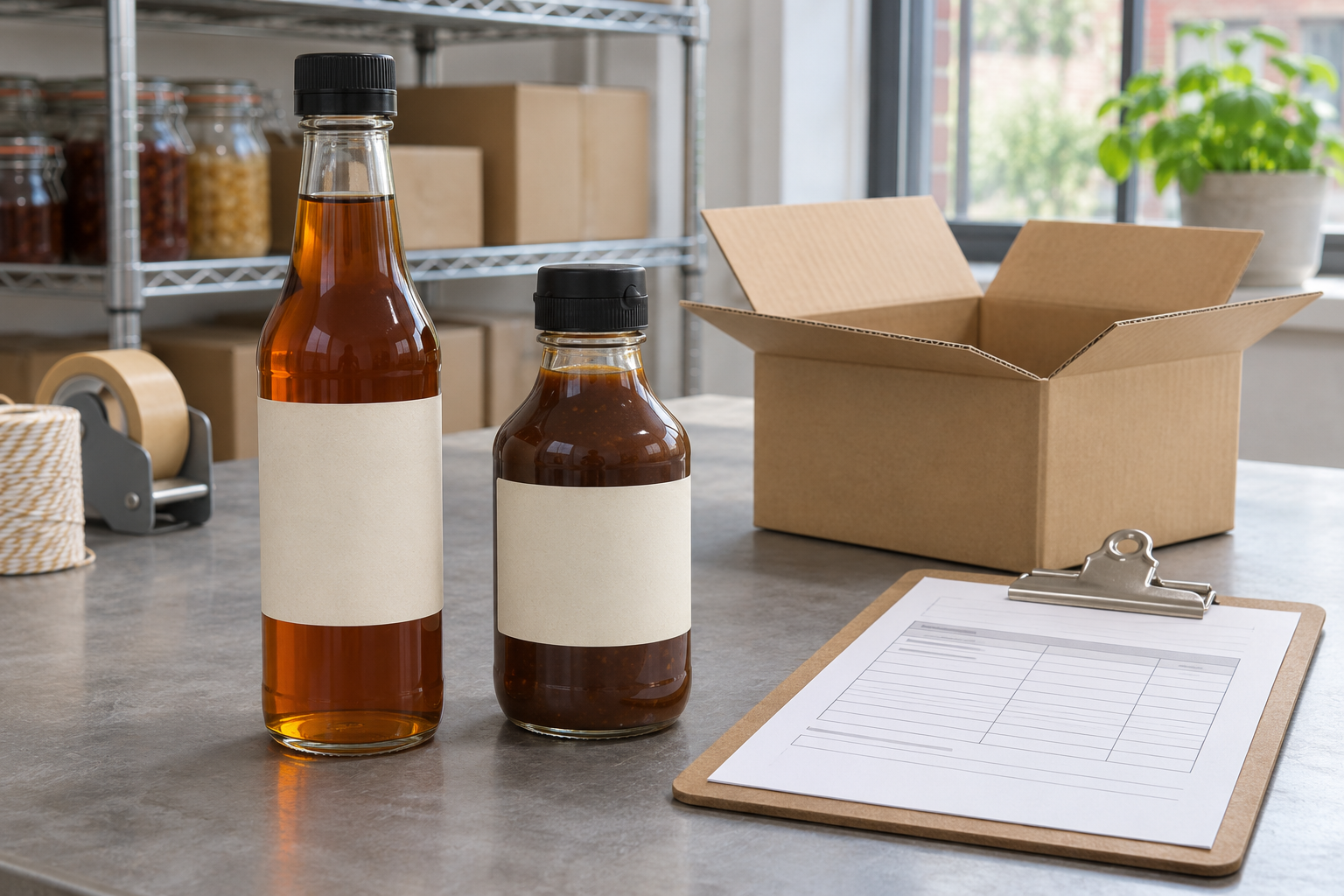
A sauce made from plant ingredients and processed fish or oyster extract can be a composite product. Its recipe, shelf life and production records determine whether it qualifies for the border-post exemption below. A bottle labelled “fish sauce” or “oyster sauce” gives the importer too little information to choose the route.
Sending plain fermented fish sauce
From 13 September 2026, EU law expressly includes heading 2103 in the lists for approved establishments and official certificates for covered fishery preparations. The Commission had already treated plain fermented fish sauce as a fishery product. The September change made the coverage of the lists explicit.
Give the importer the production site and approval details, species, recipe and processing history. Check that the country and relevant establishment are approved for the goods. Ask the certifying officer which export health certificate fits the consignment. Agree an entry point approved for the product with the importer, who must notify the border control post in advance. Do this before booking a parcel or freight service.
When can a sauce containing an extract use a different route?
Since 23 July 2026, the EU list of composite foods exempt from checks at a border control post expressly includes qualifying sauces containing oyster or fish extracts under ex 2103. “Ex” means only the products described in the list qualify. An example to check is a shelf-stable, soy-based sauce whose only animal ingredient is a processed oyster extract.
- The finished sauce must be a listed composite food for human consumption, securely packaged or sealed and safe to store and transport without refrigeration.
- The country of production, the animal ingredients and their source establishments must meet the EU entry conditions, including the applicable control-plan requirements. Any dairy or egg ingredient must meet the relevant animal-health treatment rules.
- The exemption excludes colostrum-based products and generally excludes processed meat. The law makes limited exceptions for gelatine, collagen and specified highly refined products. If the recipe includes any of these, have the importer check the exact ingredient and certificate rules.
For the qualifying sauce made with an ordinary processed oyster or fish extract, the food business operator bringing it into the EU prepares and signs a private attestation. It must accompany the goods when they are placed on the EU market. The exporter supplies the ingredient and plant approval details so the importer can complete it. Authorities can still carry out risk-based checks at the destination, at release for free circulation or at the operator’s premises.
These checks concern commercial shipments from England, Scotland or Wales to the EU. For the proposed common food and plant health area, see the UK–EU agreement guide. The current entry rules still apply.
Official sources
- EU Regulation 2026/1304, articles 1 and 2, fishery products and the September changes
- EU food entry requirements, articles 18 and 20–22 of Regulation 2022/2292
- EU Regulation 2026/908, July amendment and list of qualifying sauces
- EU Regulation 2021/630, articles 3–4 and the conditions for exempt composite foods
- UK guidance on exporting fishery products and arranging EU border checks
- UK guidance on composite food ingredients and export documents
- Commission guidance, historical example of plain fermented fish sauce
Updates to this article
First published after comparing the July composite-sauce exemption with the September changes to the fishery-product rules and checking the export and attestation steps.