
Mexico requires permits for specified sugar imports
Mexico requires a permit for definitive imports of specified sugars, including invert sugar. For certain food preparations, give the importer the product’s composition so it can establish whether it needs the sugar permit or evidence of an exception.
- Who this affects
- UK suppliers selling sugar and certain food preparations to an importer in Mexico.
- Seller action
- Check before sending affected goods
Give the Mexican importer the product specification before dispatch. Ask it to confirm the tariff code and which permit or exception evidence it will declare.
- Effective dates / current position
- Listed sugar codes require the permit: — In forceFood preparation transition has ended: — In forceTiming follows the confirmed published schedule; it is not a fresh legal review. Mexico’s 2 October notice confirms the 28 September sugar-code start and an extension through 2 November for listed food preparations. Dates use the Mexico City calendar. Date-only changes use the calendar day in America/Mexico City.
- Last reviewed
- 26 Nov 2026 — an editorial source check, separate from automatic timing.
- Official source
- Open the primary source ↗
Which products need a permit?
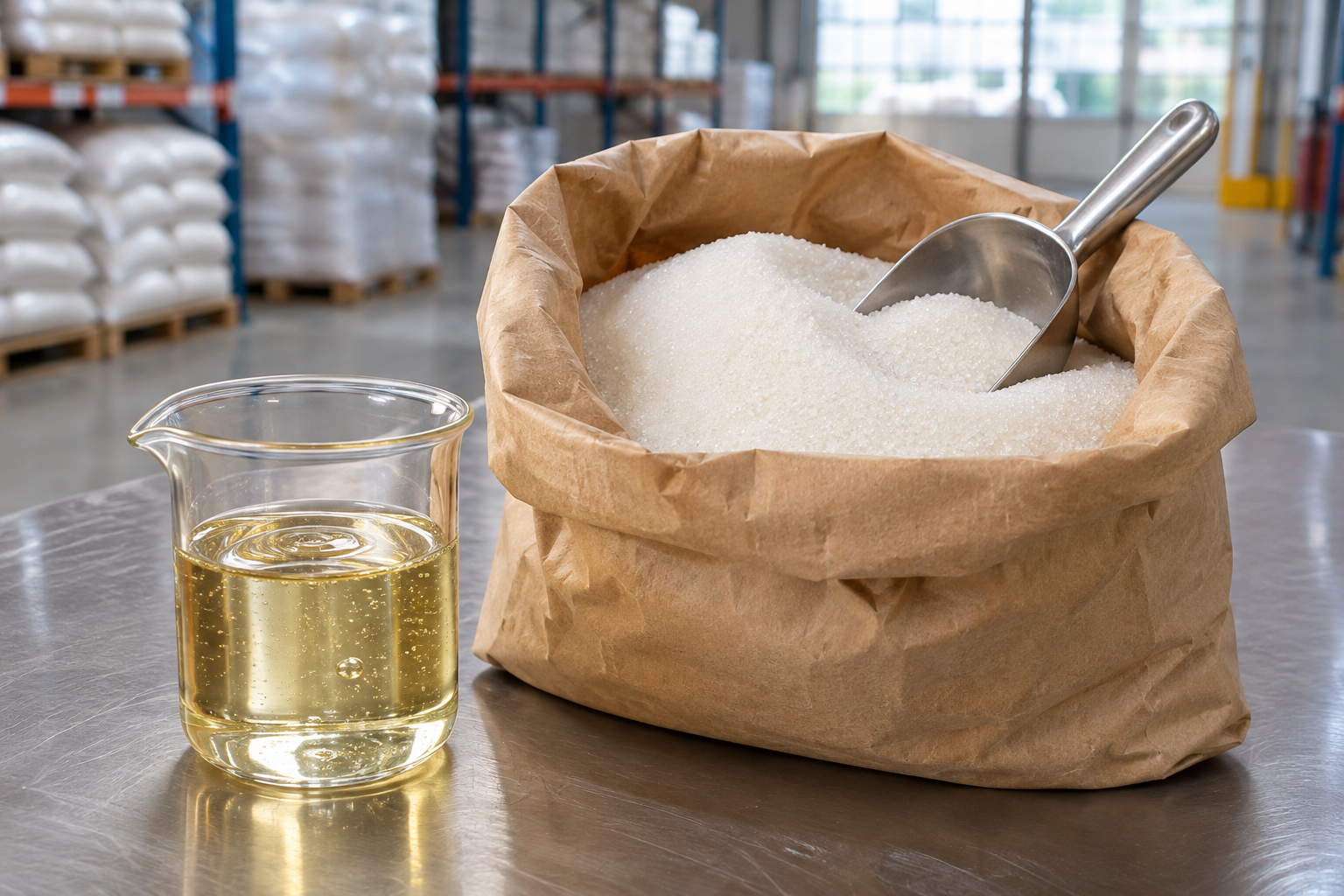
If you supply refined liquid sugar or invert sugar to a Mexican bakery or distributor, ask the buyer who will import it. Both products appear under Mexican tariff code 1702.90.01. Since 28 September 2026 the Mexican importer has needed a sugar import permit for those goods when entering them for permanent use or sale in Mexico. The same start date applies to the other five listed sugar codes, subject to the product descriptions in the official annex.
A different test applies to food preparations under Mexican code 2106.90.99, NICO 99. The permit covers preparations made essentially of sugar with added substances that leave the sugar’s essential character intact. The supplier’s product name or the presence of sugar on a label cannot settle that question. The transition for that code ran through 2 November 2026. The composition test and supporting documents apply to definitive imports after that date.
How can your importer show that a preparation falls outside the rule?
For a preparation under 2106.90.99, the importer can use an applicable prior sanitary import permit issued by Mexico’s health regulator, COFEPRIS, as evidence for claiming the exception on the customs entry. In that case the importer can use the sanitary permit without a separate assessment from Mexico’s National Metrology Centre, CENAM.
For other preparations in that code, the importer needs a CENAM attestation determining that the specific goods fall outside the sugar permit description. A product that meets the description still needs the sugar permit. A change to a recipe can affect an earlier assessment.
What should the UK supplier do before dispatch?
Send the Mexican importer a technical sheet for the exact product, including its ingredients and their proportions, what the product does, where it was made and where it will be dispatched from. Ask the importer to check the Mexican tariff code and the two-digit national identifier (NICO) with its customs broker. If a permit is needed, the applicant must be legally established in Mexico and apply through Mexico’s digital trade window.
Agree which permit or supporting document the importer will declare before promising a delivery date. This guide covers definitive commercial imports. Ask the carrier and importer to confirm the clearance route for any individual postal or courier parcel.
Official sources
- Official Gazette, 28 May order, product descriptions and importer criteria (Spanish)
- Economy Ministry, 2 October notice on the transition for food preparations (Spanish PDF)
- SNICE bulletin 004, evidence for importers of food preparations (Spanish PDF)
- SNICE permit questions, including composition and exception evidence in questions 17 and 18 (Spanish PDF)
Updates to this article
First published after checking the sugar permit order, the separate November transition for food preparations and the importer’s evidence options.