
Poland’s import VAT rules for undelivered parcels
When a parcel goes undelivered under Poland’s special VAT collection procedure, the operator owes the declared VAT unless it returns the parcel to the sender outside the EU or arranges qualifying destruction.
- Who this affects
- UK sellers using a postal or authorised operator to collect import VAT on delivery to Poland.
- Seller action
- Check before sending affected goods
Ask the operator where it sends undelivered parcels and what proof it keeps when they go back to the sender outside the EU.
- Effective dates / current position
- Polish special-arrangements rules for undelivered consignments apply: — In forceTiming follows the confirmed published schedule; it is not a fresh legal review. Article 7 brings article 1 point 8 into force on the day after publication on 3 November. The original VAT Act defines the eligible consignments. Date-only changes use the calendar day in Europe/Warsaw.
- Last reviewed
- 25 Nov 2026 — an editorial source check, separate from automatic timing.
- Official source
- Open the primary source ↗
What happens if the customer never receives the parcel?
Some UK sellers use a Polish operator to collect import VAT from the recipient when it delivers an order. From 4 November 2026, if delivery fails under Poland’s special collection procedure (USZ), the operator must pay the VAT shown on the customs declaration unless the parcel is returned to the sender outside the EU or destroyed in accordance with Polish postal law.
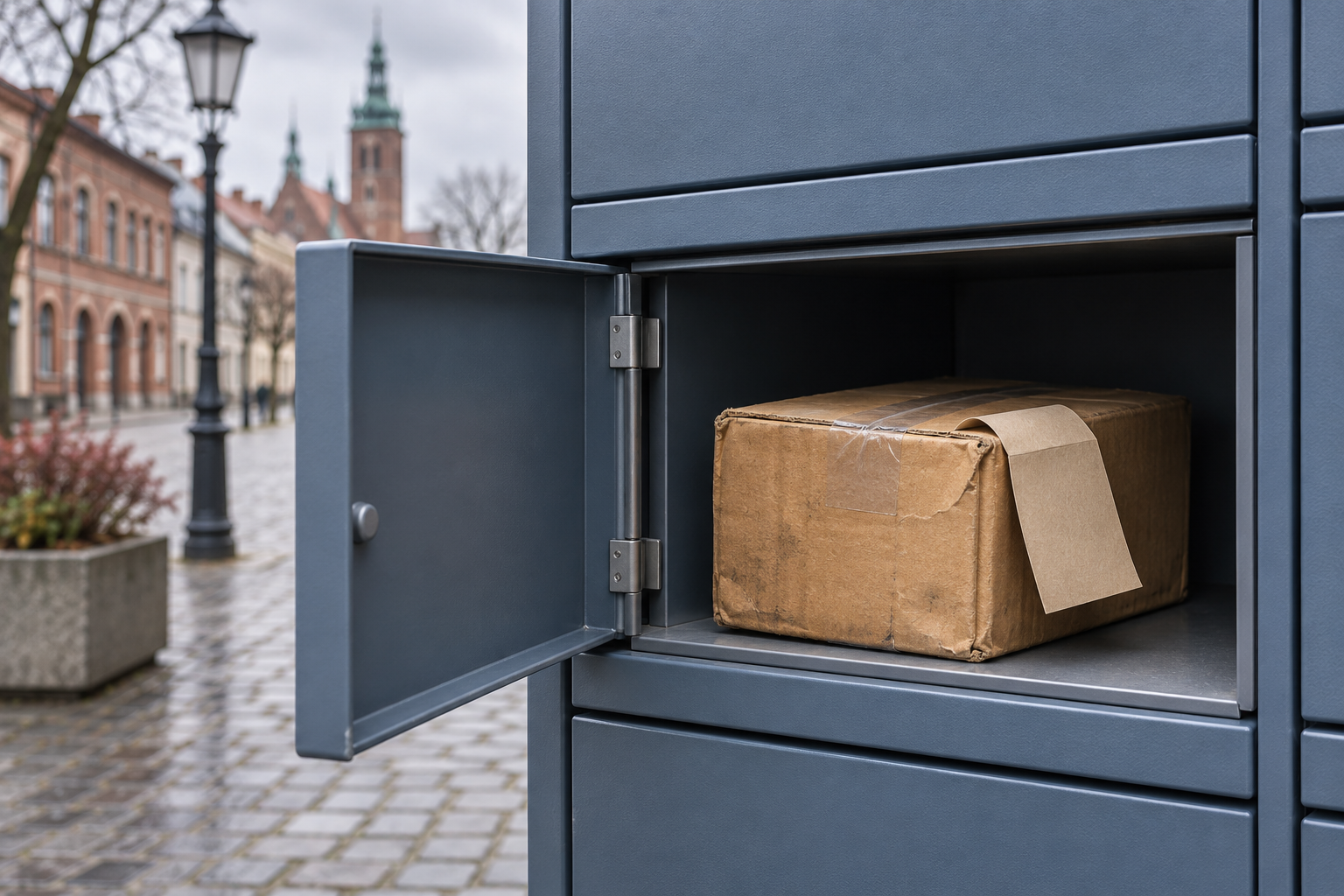
A parcel refused at the door and sent back to its UK sender can meet the return condition. Sending it only to a warehouse in Poland or another EU country does not complete that return. Before dispatch, agree the destination for refused parcels with the operator and ask what tracking or receipt will document their arrival. Check separately who pays the return carriage under your contract.
Which orders use this procedure?
USZ covers imported distance-sale consignments with an intrinsic value of €150 or less, expressed as its equivalent in Polish złoty, whose transport ends in Poland. Excise goods and orders using the Import One-Stop Shop (IOSS) fall outside this procedure. Ask your clearance partner which arrangement it declared for the order.
The collector declares the goods in its own name on the recipient’s behalf. It must be a postal operator or a taxpayer with authorised economic operator status and must have notified Polish Customs that it will use USZ. On successful delivery the recipient pays the VAT, which the operator collects by delivery. The failed-delivery provision places liability on the collector. It creates no fixed parcel fee or automatic bill for the UK seller.
What records does the operator need?
The operator records the customs declaration number, its acceptance date, the goods, the VAT calculated and the VAT collected. It records the date of delivery and collection, or the date and details proving the return outside the EU or qualifying destruction. It files its monthly VAT declaration electronically by the 16th of the month after it collected the tax.
The law has a separate reporting rule for imports before 1 July 2026 where VAT was collected after 30 June. Operators reconciling older imports should check article 4. A retailer arranging returns can focus on the declaration reference and evidence of where each undelivered parcel went.
Official sources
- Polish amending Act, Journal of Laws item 1446, article 1 point 8 and articles 4–7
- Polish VAT Act, article 138i, eligibility and collection on delivery
- Monthly USZ declaration regulation, Journal of Laws item 1452
- Polish finance ministry on the operator’s notification and the 4 November start
Updates to this article
First published after checking the Polish VAT Act, the failed-delivery amendment and the collector’s monthly declaration rules.