
Selling to the US? Check your importer and broker before 5 January
UK sellers acting as the US importer of record should check their customs arrangements before 5 January 2027. Covered entries need a CTPAT-validated broker unless the foreign importer is itself validated and entitled to enter.
- Who this affects
- UK businesses acting as a foreign US importer of record, or as the foreign principal behind a broker acting as importer, for covered formal or specified informal consumption entries.
- Seller action
- Check before sending affected goods
Confirm the actual importer and power-of-attorney principal, the clearance route and whether the licensed customs broker is CTPAT validated. Prepare the entry data before 5 January; do not rely on the separate May broker-verification transition.
- Effective dates / current position
- Covered foreign-importer entry requirements: — Upcoming—not yet in forceTiming follows the confirmed published schedule; it is not a fresh legal review. Date-only rule commencement uses US Eastern calendar time as a display convention, not a carrier cutoff. A possible approved broker-verification delay is separate and does not postpone the foreign-importer entry requirement. Date-only changes use the calendar day in America/New York.
- Last reviewed
- 8 Nov 2026 — an editorial source check, separate from automatic timing.
- Official source
- Open the primary source ↗
What is changing?
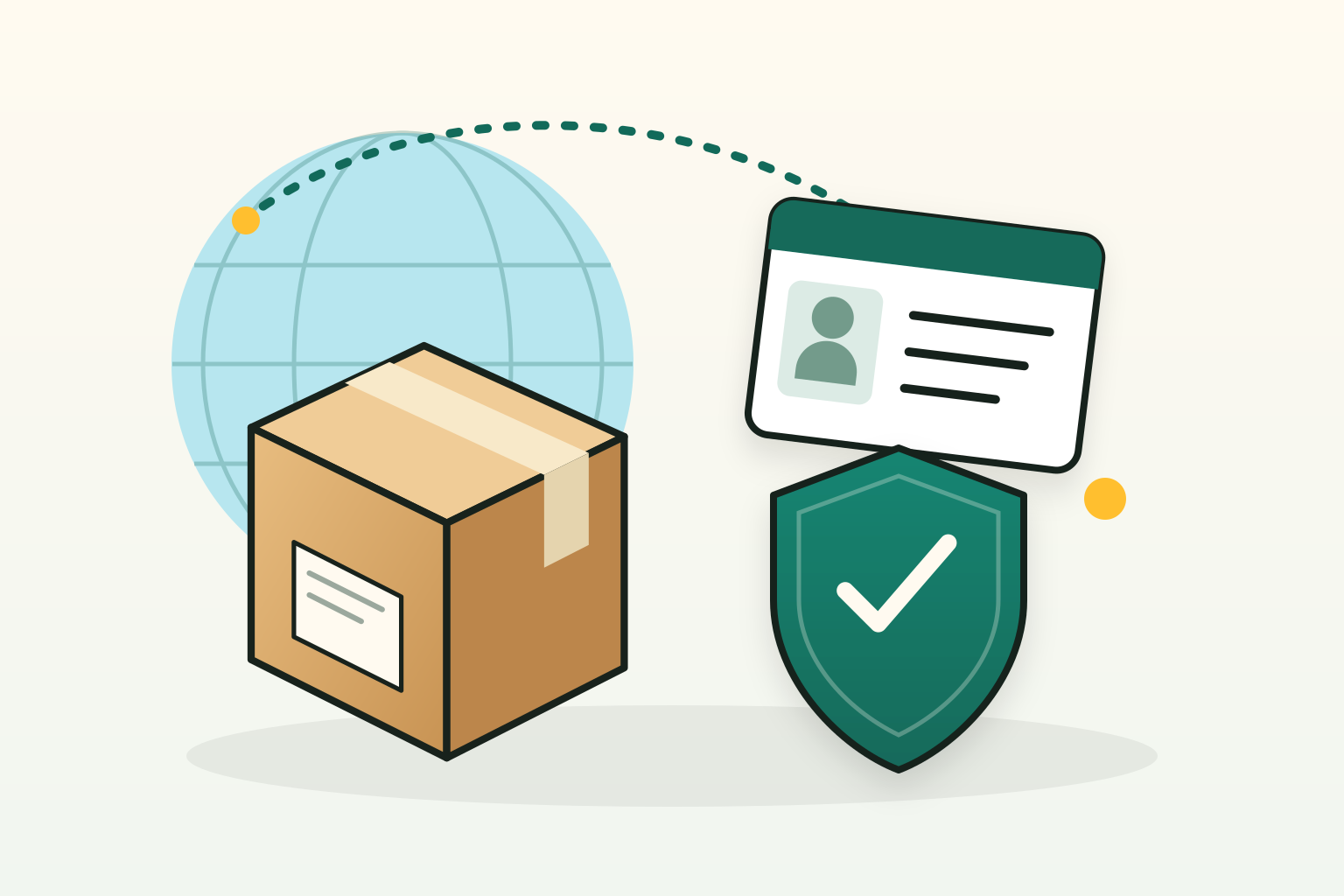
From 5 January 2027, US customs is introducing new conditions for foreign importers of record. The importer of record is the party named as responsible for the US import entry. If that party is not itself CTPAT validated, it must use a licensed customs broker that is. CTPAT is the US customs supply-chain security programme. Ordinary broker licensing alone will not meet this new condition.
A practical example
A UK shop uses a duties-paid service for US orders. Before changing anything, it asks who is actually named as importer of record and who is the principal on the broker’s power of attorney. If the covered entry involves a foreign importer that is not CTPAT validated, the shop checks that the actual licensed broker is CTPAT validated. The delivery term alone does not answer those questions.
Who should check?
This matters where your business, or another foreign principal, sits behind the US import entry. Some duties-paid delivery arrangements work this way. Selling to a US customer does not by itself tell you who the importer is: ask your carrier or customs provider to confirm the actual arrangement.
What should you do now?
- Ask who will be named importer of record and, if a broker acts in that role, who is named as principal on its power of attorney.
- Ask whether the entry is covered and whether the actual customs broker is CTPAT validated.
- Confirm the provider can file the required declarations and has the necessary authority and records before 5 January.
Which entries are covered?
The rule covers consumption entries requiring formal entry, and specified informal entries filed using CBP Forms 3461/7501 or their electronic equivalents. CBP identifies informal entry types 11, 12 and 13 in its explanation. Avoid treating every postal or parcel route as identical.
Does the May date give everyone more time?
The rule allows brokers to request extra time for a new client-verification duty, subject to CBP approval and continuing progress. That is not a general postponement of the foreign-importer entry condition. The separate full-compliance date of 6 May 2027 should not be used as your blanket start date.
A US address is not the whole test
The rule sets detailed criteria for a US importer of record and allows CBP to verify them. A US mailing address or importer number alone does not settle this. A validated foreign importer with the right to enter can continue itself or use any licensed broker. UK businesses should check their provider's route rather than assume they can quickly join CTPAT themselves.
Related: keep Form 5106 importer records accurate. That earlier record-accuracy notice is a separate development.
Official sources
Updates to this article
First published after checking the complete published CBP rule, including operative sections 110.2–110.3 and 141.21, the broker-verification transition and current CSMS filing guidance. Distinguished the January entry condition from any individually approved broker delay.