
US duty checks for disposable foil trays shipped from the UAE
If you sell UAE-made foil trays to a US customer and ship them from the UAE, ask the importer to check open entries from 10 February 2026. A preliminary US finding could trigger deposits under the existing orders on Chinese aluminium containers.
- Who this affects
- UK sellers supplying disposable aluminium containers made in the UAE and shipped from there to US customers, and their US importers.
- Seller action
- Check before sending affected goods
Identify the tray producer and foil mill. Give the US importer the invoice and shipment records so it can check open entries and the deposit exposure before you quote.
- Effective dates / current position
- Commerce filed its preliminary finding for public inspection on 27 November 2026. It is due to apply on Federal Register publication, scheduled for 30 November 2026.
- Last reviewed
- 27 Nov 2026 — an editorial source check, separate from automatic timing.
- Official source
- Open the primary source ↗
Which sales should you check?
Suppose your UK business sells disposable takeaway trays to a US distributor. A factory in the United Arab Emirates forms the trays from foil made in China and ships them from the UAE to the United States. That is the supply route covered by the preliminary finding, even if your UK business invoices the customer.
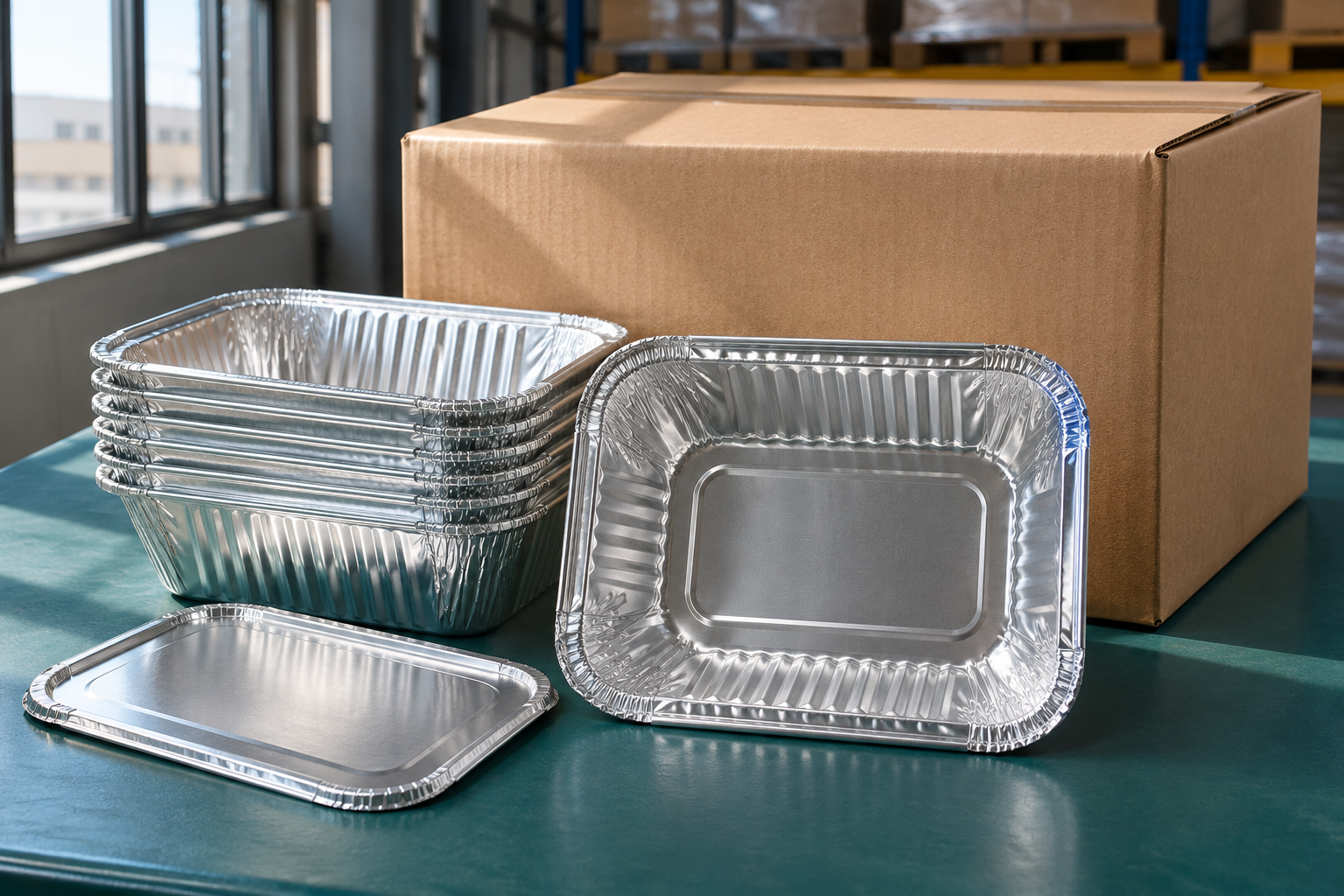
The existing US orders cover certain disposable containers, pans, trays and lids made mainly from flat-rolled aluminium. Ask the producer where the trays were made and which mill made the foil. The product description and the production and shipping records all matter.
What would change for past US entries?
The US Commerce Department began investigating this route on 10 February 2026. Its preliminary finding was signed on 23 November and filed for public inspection on 27 November 2026. The advance notice says it applies on Federal Register publication, scheduled for 30 November 2026.
Commerce says it will instruct US Customs to keep covered entries open for a final duty assessment and require deposits where the certification conditions are unmet. For affected goods entered for consumption, or withdrawn from a US warehouse for consumption, on or after 10 February and before publication, the US importer should identify entries that remain open or whose assessment has yet to become final. The notice calls for the importer to file a post-summary correction for qualifying entries originally declared without the trade-duty cases. The US case numbers are A-520-170 and C-520-171.
What should the seller give the importer?
Match the invoice line to the UAE producer, the foil mill and the country where the foil was made. Send the commercial invoice, bill of lading and mill certificate to the US importer. Ask it to check the relevant entries and expected deposits before you agree a delivered price. The ultimate duty is assessed separately.
Appendix III identifies the party that made the US sale as the exporter for the certification form. Commerce also says all UAE producers or exporters are currently ineligible to use this certification programme. A mill certificate helps establish the facts. On its own it cannot secure a zero deposit. The notice describes a future review process for companies seeking eligibility.
Official sources
- US Commerce advance notice, including the importer and exporter forms in Appendices II and III (PDF)
- Federal Register notice opening the UAE inquiry on 10 February 2026
- Original US orders and the appendix defining covered products
- Commerce correction to the original orders on 21 May 2025
Updates to this article
First published after checking the advance US finding, both certification forms and the earlier orders. It distinguishes the scheduled publication date from the February entry date used to review open imports.