
EU registers imports of specified Chinese-origin alkaline batteries
Registration applies from 16 September 2026 to specified non-rechargeable cylindrical alkaline batteries. It is not a new duty rate, but affected sellers should check product scope and possible future liability.
- Who this affects
- UK sellers and EU importers of covered Chinese-origin, non-rechargeable cylindrical alkaline manganese dioxide batteries—not all battery or electronics sellers.
- Seller action
- Check before sending affected goods
Check the specification, origin and EU CN code with the importer or customs representative. Keep import records and discuss possible future anti-dumping liability; do not add a guessed duty rate.
- Effective dates / current position
- Registration of covered Chinese-origin alkaline batteries: — In forceTiming follows the confirmed published schedule; it is not a fresh legal review. Status refers to registration only, not a new anti-dumping duty. Registration lasts nine months. Brussels time is an EU-wide display convention, not a carrier cutoff. Date-only changes use the calendar day in Europe/Brussels.
- Last reviewed
- 17 Sept 2026 — an editorial source check, separate from automatic timing.
- Official source
- Open the primary source ↗
What changed?
From 16 September 2026, EU customs authorities must register imports of specified Chinese-origin alkaline batteries. Regulation (EU) 2026/2049 was published on 15 September and entered into force the following day. Registration lasts nine months from entry into force.
Which batteries are covered?
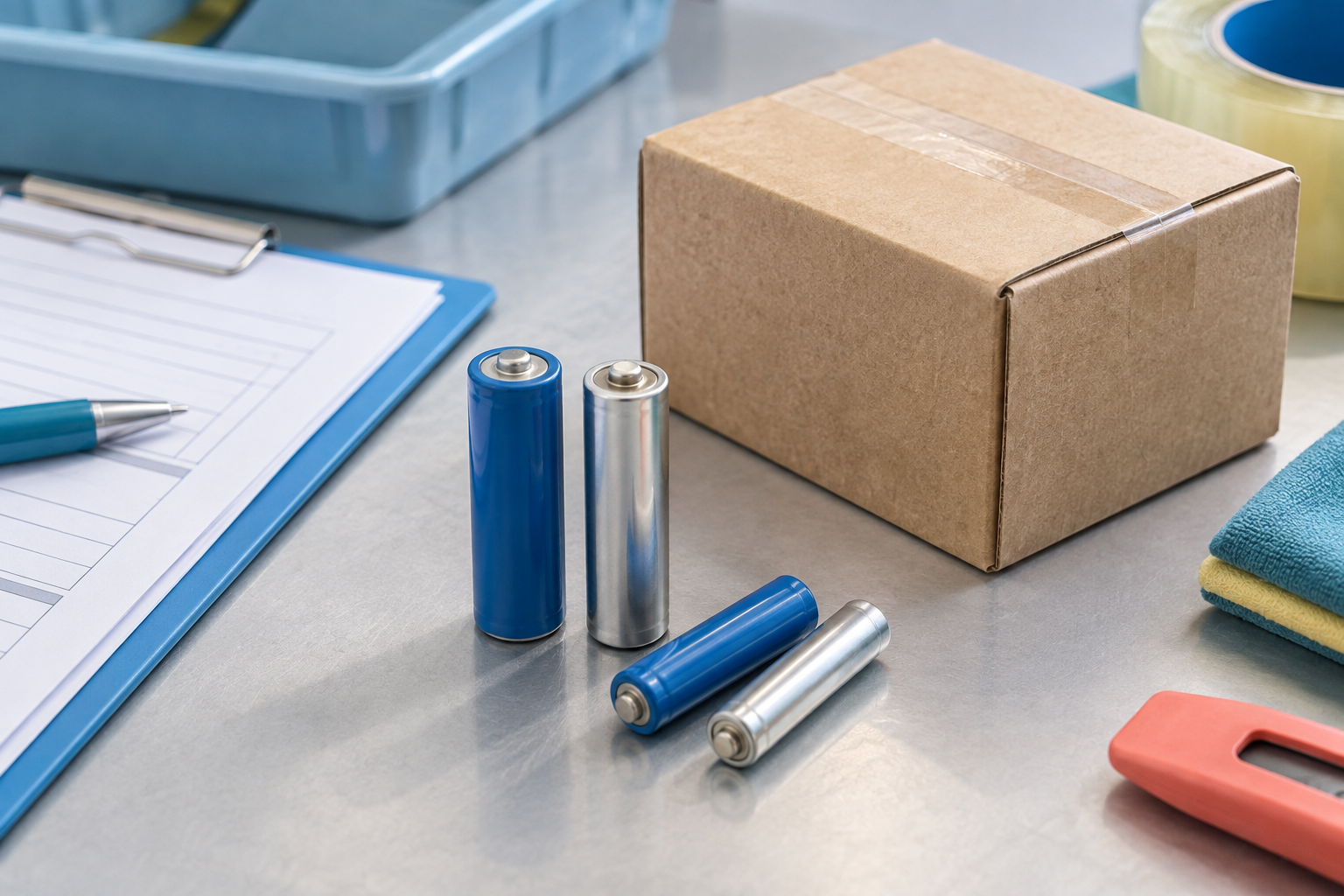
The legal description covers primary cells and batteries of alkaline manganese dioxide, in cylindrical form, originating in China and currently classified under EU CN code 8506 10 11. They must be non-rechargeable and not spent, waste or scrap. Parts are excluded.
Do not read this as a rule for every battery, rechargeable product or electronic device. Match the chemistry, construction and full specification to Article 1, with help from the EU importer or customs representative.
Why does this matter to a UK seller?
Stock bought from China and stored in a UK warehouse may still have Chinese customs origin when sold to an EU customer. UK dispatch alone does not remove it from the scope.
Registration preserves the possibility of collecting anti-dumping duties retrospectively if a later measure establishes that the legal conditions are met. It is not a decision that every registered shipment will receive a bill.
No eventual duty rate is set by this regulation. Figures in the complaint are allegations, not current charges or dependable forecasts. Existing duties and taxes must still be checked separately.
What to do before the next EU order
- Identify the stock. Obtain the battery specification, chemistry and supplier origin evidence.
- Confirm the EU classification. Ask the importer or representative whether the exact product falls within Article 1.
- Agree responsibilities. Confirm how the import is registered and who would bear a later duty liability under your delivery and commercial arrangements.
- Keep records. Retain invoices, specifications, origin evidence and import references. Monitor the investigation before making longer-term price commitments.
For unrelated products, this notice does not require a general change to parcel prices or customs data.
Official source
Regulation (EU) 2026/2049: product scope, registration and commencement ↗
Related: how customs registration also affects specified steel shelving.